Canvas & Paper
Best Watercolor Paper: Cotton, Weight, and Press Explained
Published March 3, 2026 · Updated March 16, 2026 · 9 min read
Why paper is the most important watercolor supply
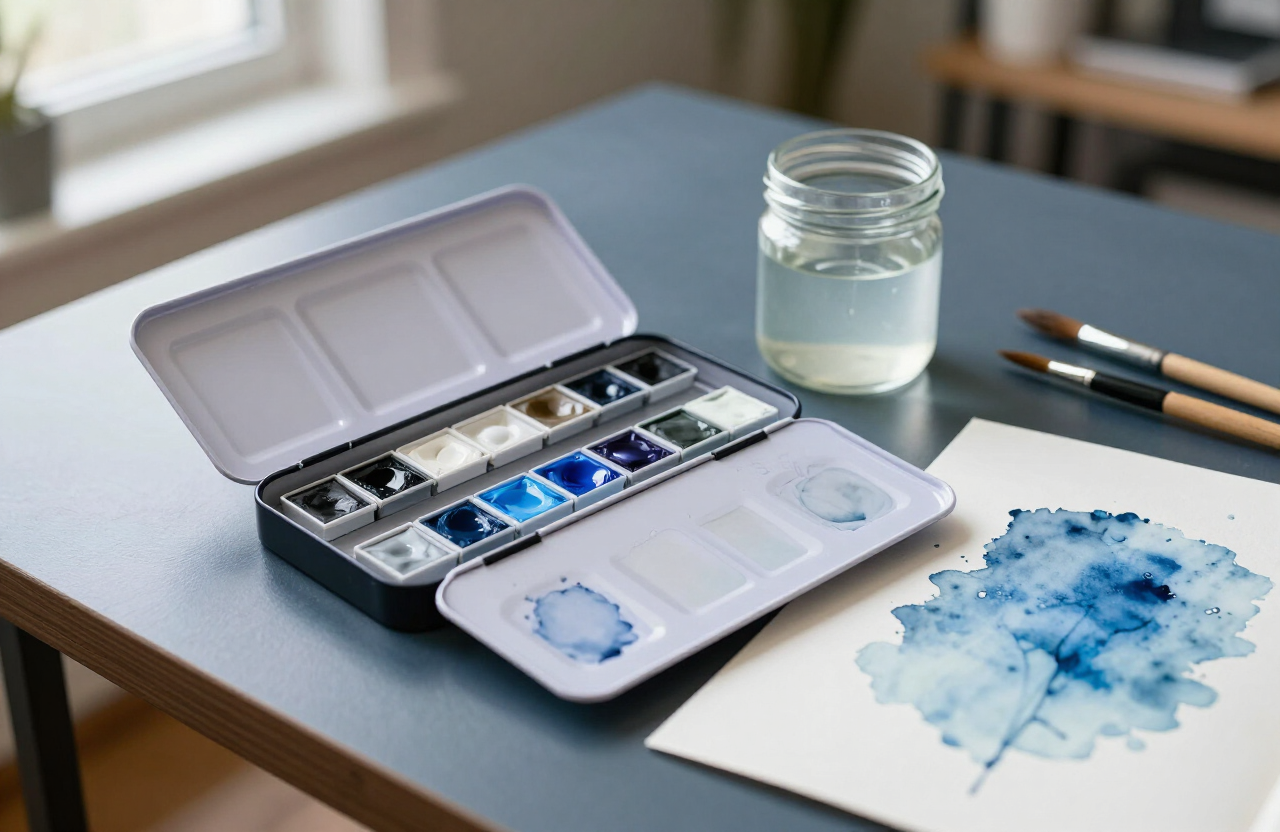
In watercolor, the paper is not a passive surface — it is an active part of the medium. It absorbs water, releases pigment, allows lifting, and controls how washes spread. The best paint on cheap paper produces disappointing results; modest paint on good paper produces beautiful ones. If you must choose where to spend, spend on paper first.
This is the one supply where beginners should not buy the cheapest option. Cheap paper pills, buckles, and refuses to lift, which makes watercolor feel impossible when the fault is the paper, not the painter.
Cotton vs cellulose paper
100% cotton paper is the watercolor standard. It is strong, absorbent, takes washes evenly, and allows lifting and reworking without damage. Cellulose (wood-pulp) paper is cheaper but less absorbent — washes sit on the surface, dry fast, and are hard to blend or lift. Good cellulose at heavy weight can work for practice, but cotton is what makes watercolor behave like watercolor.
For anything you care about, use 100% cotton. For fearless practice, a good cellulose pad is acceptable — but expect different (faster, less forgiving) behavior.
Cold press vs hot press vs rough
Cold press (also called NOT) has a medium texture and is the versatile default — it suits most subjects and techniques. Hot press is smooth, suited to fine detail, illustration, and even washes. Rough has a pronounced texture that creates granulation and expressive effects, favored for bold, loose work.
Beginners should start on cold press: it forgives uneven washes and suits the widest range of subjects. Move to hot press for detail work or rough for expressive landscapes once you understand how washes behave.
Paper weight and blocks
Weight (gsm or lb) tells you thickness and how much water the paper holds without buckling. 300 gsm (140 lb) is the minimum for watercolor — it handles washes without stretching if taped. Lighter papers (185 gsm) buckle badly and need stretching. Heavier papers (425 gsm, 640 gsm) need no stretching at all.
Blocks are stacks of paper glued on all four sides, which keeps the paper taut as you paint — no stretching or taping needed. A block is the most convenient format for beginners. Our best sketchbooks guide names sketchbooks with real cotton watercolor paper for painting on the go.
The picks, in one place
Our tested recommendations
- Arches cold press watercolor block, 300 gsm
The 100% cotton benchmark — handles washes, lifting, and layering the way watercolor should.
Check price on Amazon 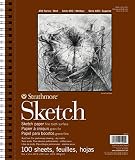 Strathmore 400 Series watercolor pad
A good cellulose practice pad — affordable enough to use freely while you learn wash control.
Check price on Amazon
Frequently asked questions
Keep reading
Watercolor Supplies
Best Watercolor Paint for Beginners: Tubes, Pans, and First Colors
Watercolor rewards the right paint and punishes the wrong kind. This guide covers tubes vs pans, the colors that matter, and the student-grade sets that are genuinely good enough to learn on.
Read the guide
Drawing Supplies
Best Sketchbooks for Artists: Tested Picks for Every Medium
We filled, soaked, and abused a shelf of sketchbooks to find the ones worth your drawings — organized by medium, with the paper specs that actually matter.
Read the guide
Canvas & Paper
Best Canvas for Acrylic Painting: Panels, Pads, and Stretched
Not all canvas is equal, and the right surface depends on whether you are practicing or painting for keeps. This guide compares panels, pads, and stretched canvas for acrylic painters.
Read the guide