Acrylic Painting Supplies
Best Acrylic Paint for Beginners: What to Buy First
Published February 18, 2026 · Updated March 13, 2026 · 9 min read
Why acrylic is the beginner paint
Acrylic is the most forgiving paint a beginner can choose. It dries fast, cleans up with water, and mistakes paint over in minutes — there is no waiting days for oil to dry, no wrestling with watercolor’s unforgiving timing. That forgiveness is exactly what lets a new painter experiment without fear.
The trade-off is that fast drying time: acrylic starts setting within minutes, which frustrates blending until you learn to manage it. A stay-wet palette solves most of that problem, and we cover the full beginner journey in our complete acrylic painting starter guide.
Student grade vs artist grade acrylics
Student-grade acrylics (Liquitex Basics, Winsor & Newton Galeria) use less pigment and more binder, so colors are slightly less intense and a touch more transparent than artist grade. For a beginner that is an advantage, not a flaw: the paint is affordable enough to use freely, which is how you actually learn. Artist-grade paints (Golden Heavy Body, Liquitex Professional) deliver richer color and a buttery consistency, but they cost three to five times more and a beginner cannot yet tell the difference.
Our recommendation: start on a good student-grade set, then upgrade to artist grade in the handful of colors you use most. That is the honest upgrade path — not buying a full artist-grade set on day one.
The colors a beginner actually needs
A 12-color set covers the basics, but you will use five of them constantly: a warm and cool primary (cadmium red, ultramarine blue, cadmium yellow), titanium white, and mars black. White runs out fastest because you lighten almost every mixture — buy a larger tube of white separately. Black is used sparingly; a little goes a long way and too much flattens color.
Learning to mix from a small palette teaches more than owning 40 tubes ever will. Once you can mix the color you want from primaries, adding earth tones (burnt sienna, yellow ochre) and a green expands your range meaningfully.
Heavy body vs soft body (fluid) acrylics
Heavy body acrylics are thick and hold brushstrokes and palette-knife texture — the default for most painters. Soft body (fluid) acrylics are smoother and flow more, suited to detail, washes, and illustration. Beginners should start with heavy body because the texture makes it obvious how much paint is on the brush and how it moves.
You can thin heavy body acrylics with water or medium to behave like fluid acrylics, so heavy body is the more versatile first purchase.
What to buy with your first paints
Paint alone does not make a painting. Pair your first set with four synthetic brushes (a size 8 flat, size 8 round, size 2 round, and a 2-inch flat for backgrounds), a stay-wet palette to keep acrylic workable, and canvas panels for practice. Our best canvas for acrylic painting guide covers surfaces in detail.
The Masterson Sta-Wet palette is the single accessory that turns acrylic from a race against drying time into a pleasure — it keeps paint workable for days.
The picks, in one place
Our tested recommendations
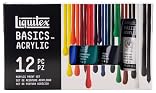 Liquitex Basics 12-color acrylic set
Real pigment at student prices — the first paint set that is not a dead end.
Check price on Amazon Golden Heavy Body acrylics (intro set)
The artist-grade upgrade — buttery, intensely pigmented, the paint to grow into.
Check price on Amazon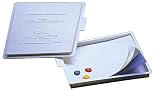 Masterson Sta-Wet Handy Palette
Keeps acrylic workable for days instead of minutes — the accessory that makes acrylic enjoyable.
Check price on Amazon
Frequently asked questions
Keep reading
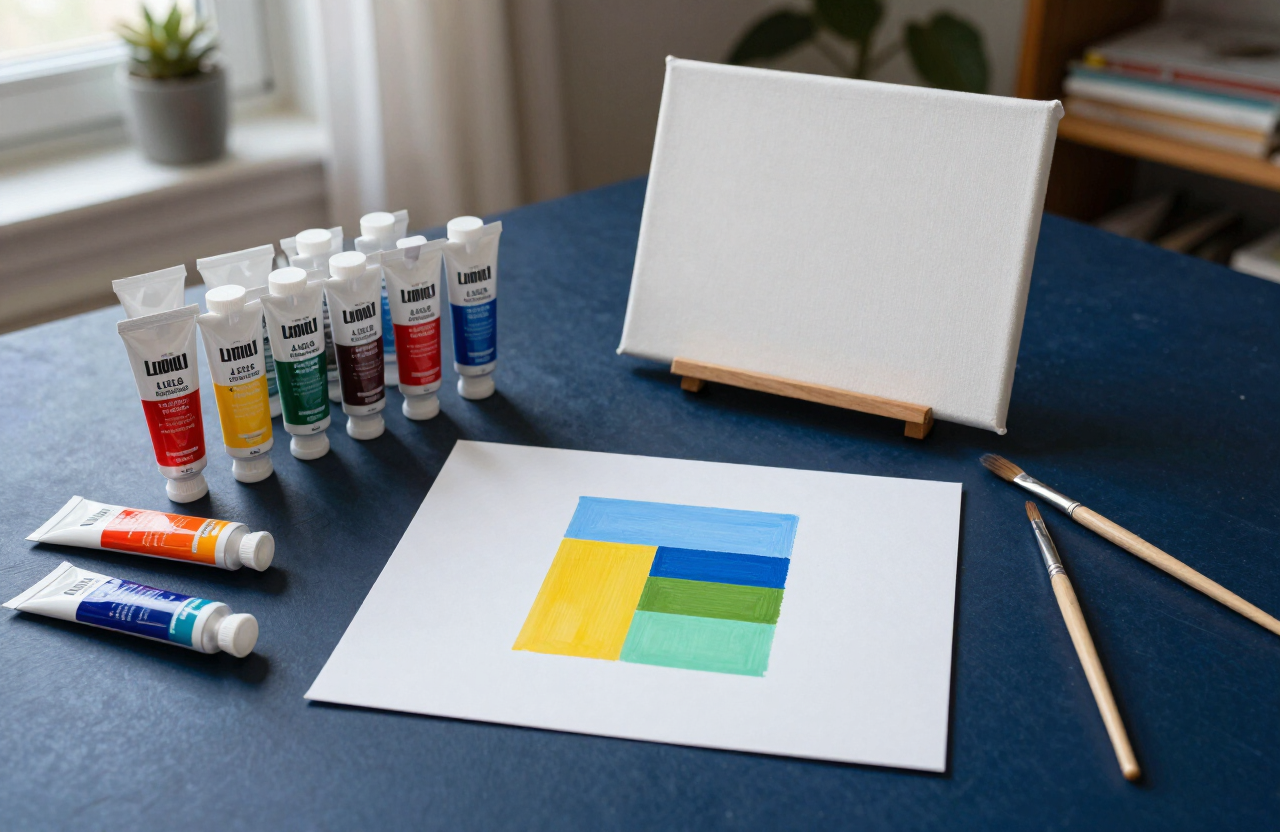
Acrylic Painting Supplies
The Complete Acrylic Painting Starter Guide
From unopened tubes to a finished first painting: the complete acrylic starter path, with the exact kit, the setup, and the five mistakes that stall every beginner.
Read the guide
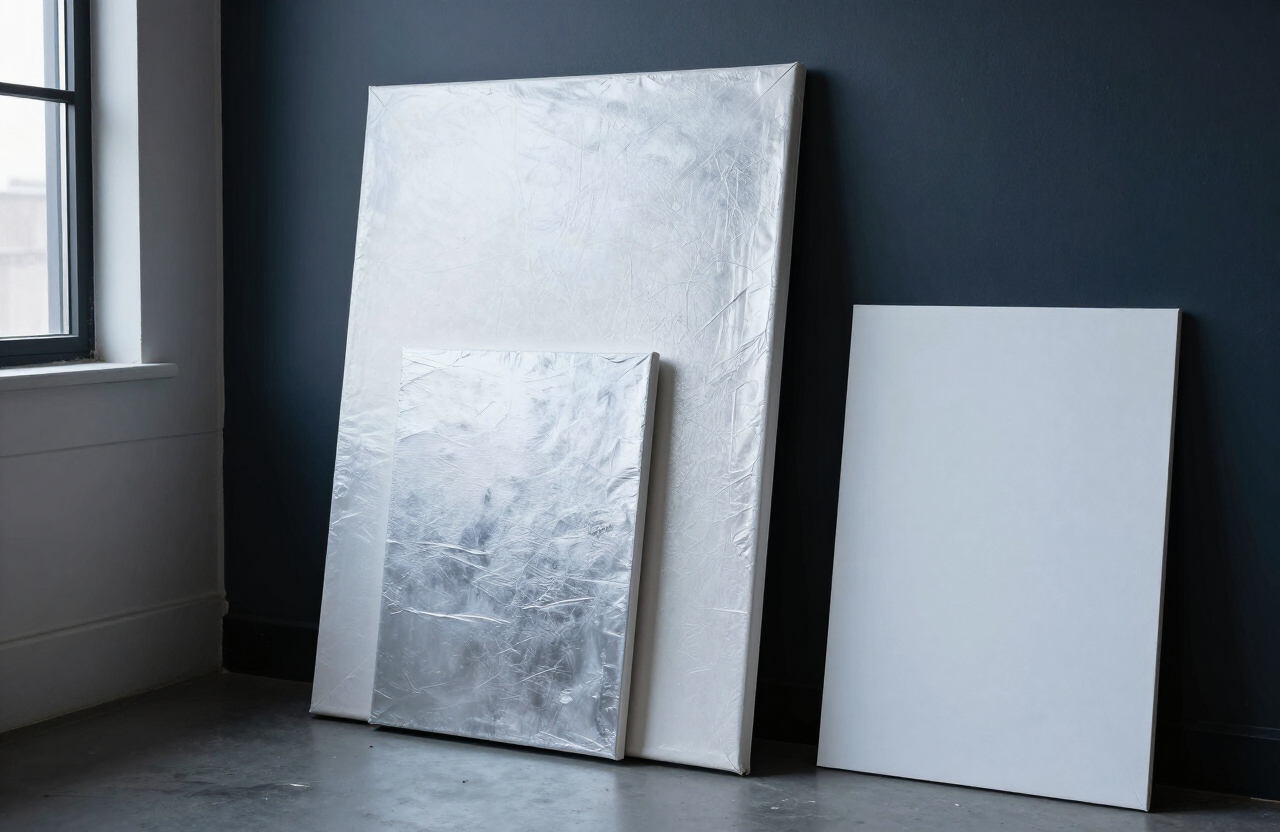
Canvas & Paper
Best Canvas for Acrylic Painting: Panels, Pads, and Stretched
Not all canvas is equal, and the right surface depends on whether you are practicing or painting for keeps. This guide compares panels, pads, and stretched canvas for acrylic painters.
Read the guide
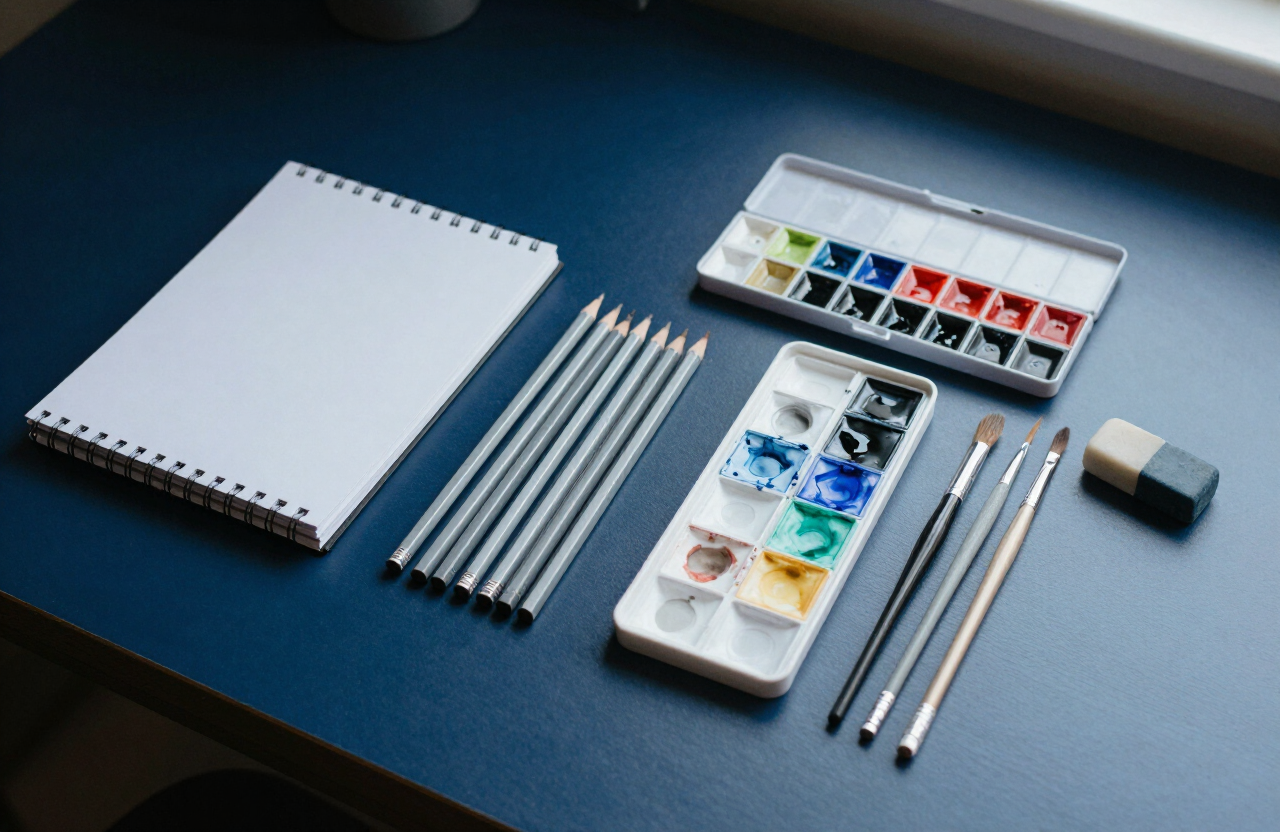
Drawing Supplies
Best Art Supplies for Beginners: The Honest Starter Kit
A complete, tested beginner art kit for under $100 — plus the five products beginners should never buy, and the upgrade order that makes every dollar count.
Read the guide
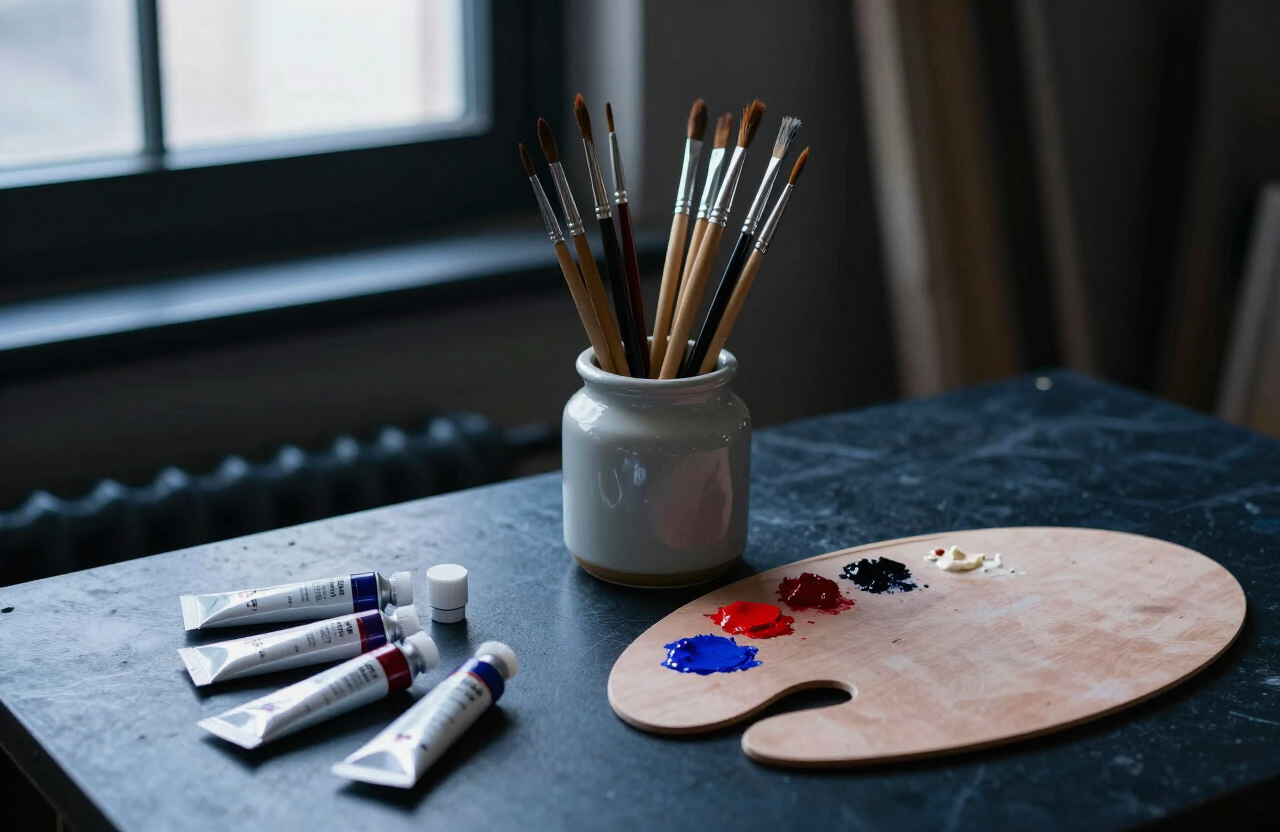
Painting Supplies
How to Clean and Store Paint Brushes So They Last for Years
A good brush lasts decades if you clean it right and months if you do not. This guide covers washing, reshaping, and storing brushes for acrylic, oil, and watercolor — no fancy products required.
Read the guide