Canvas & Paper
Best Canvas for Acrylic Painting: Panels, Pads, and Stretched
Published March 1, 2026 · Updated March 15, 2026 · 8 min read
The three canvas formats
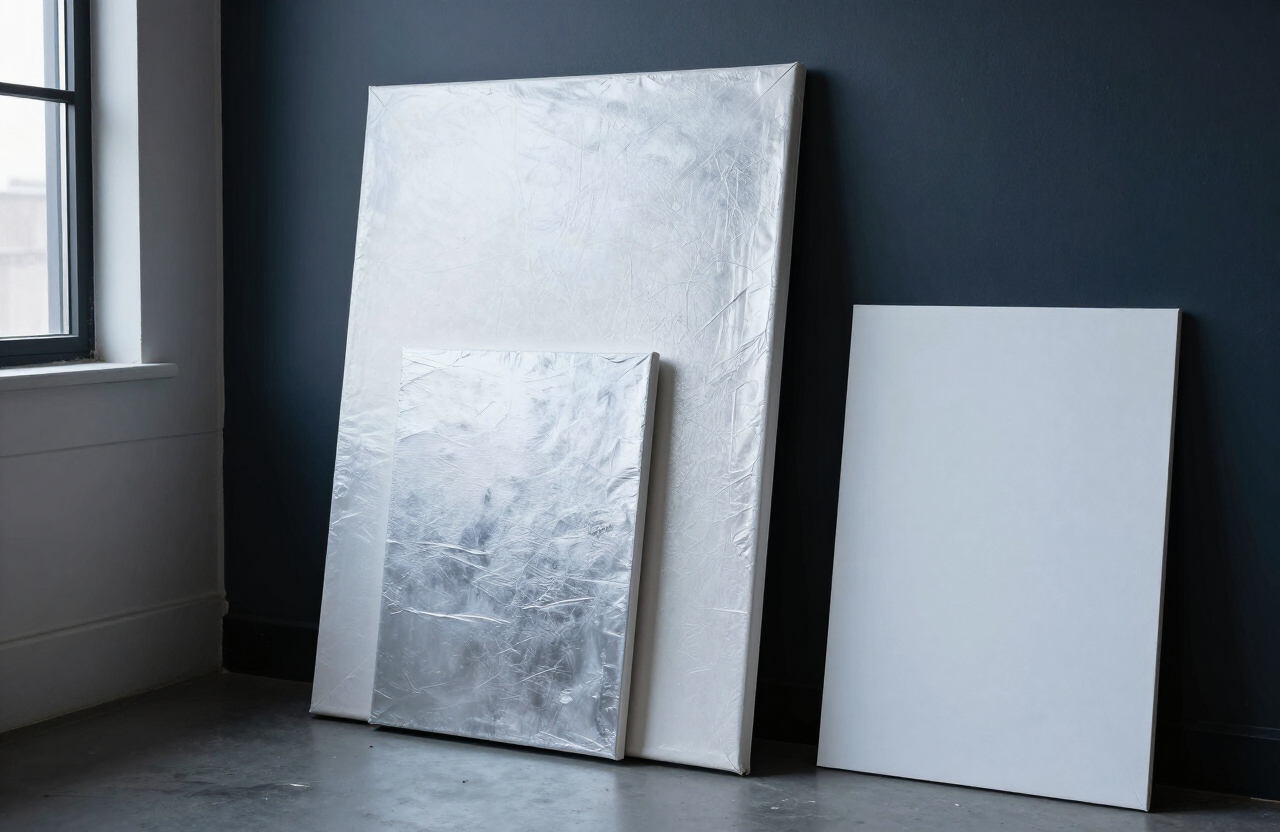
Canvas comes in three practical formats. Stretched canvas is fabric stretched over a wooden frame — the classic painting surface, ready to hang, but the most expensive per piece. Canvas panels are canvas glued to a rigid board — cheaper, flat, and easy to store, ideal for practice and studies. Canvas pads are sheets of primed canvas — the cheapest option, great for warm-ups and experimentation, though they need mounting to display.
For beginners, panels are the sweet spot: they paint like real canvas, cost a fraction of stretched, and store flat. A 12-pack of panels gives you twelve paintings for the price of two stretched canvases — and beginners need volume, not gallery-ready surfaces.
Cotton vs linen
Cotton duck is the working standard: affordable, consistent, and archival when properly primed. Linen is the premium fiber — stronger, smoother, more stable across humidity, and the traditional choice for serious oil painting. For acrylic, cotton is more than sufficient; linen is a refinement that only matters for archival, sellable work.
Our honest verdict: paint on cotton for years. Linen earns its price only when you are producing finished work you expect to last generations, and even then the difference is subtle in acrylic.
Primer and tooth
Most canvas arrives pre-primed with acrylic gesso, ready to paint. The primer creates a slightly textured surface (tooth) that grips paint. Budget canvas sometimes has a thin, slick primer that repels paint or absorbs it unevenly. One extra coat of acrylic gesso on budget canvas noticeably improves how acrylic paint sits and moves — it is the cheapest surface upgrade available.
If you paint thickly or with palette knives, look for a heavier tooth. If you paint fine detail, a smoother primed surface (or even a sanded gesso) suits you better.
Which surface for which goal
For practice and learning: canvas panels or pads — cheap enough to use fearlessly, which is how you improve. For finished work you want to frame or hang: stretched canvas, or panels mounted in a frame. For studies and color experiments: canvas pads, which you can tape to a board and discard or keep in a folder.
Pair your surface with the right paint — our best acrylic paint for beginners guide covers the paint side, and the complete acrylic painting starter guide builds the full kit.
The picks, in one place
Our tested recommendations
 Fredrix canvas panels, multipack
Twelve practice surfaces for the price of two stretched canvases — the right volume for beginners.
Check price on Amazon- Acrylic gesso quart
One extra coat on budget canvas is the cheapest surface upgrade available — better paint handling for a few dollars.
Check price on Amazon
Frequently asked questions
Keep reading
Acrylic Painting Supplies
Best Acrylic Paint for Beginners: What to Buy First
Beginner acrylic paint should be cheap enough to use freely and good enough to teach real color mixing. This guide names the right first set, the colors that matter, and when to upgrade.
Read the guide
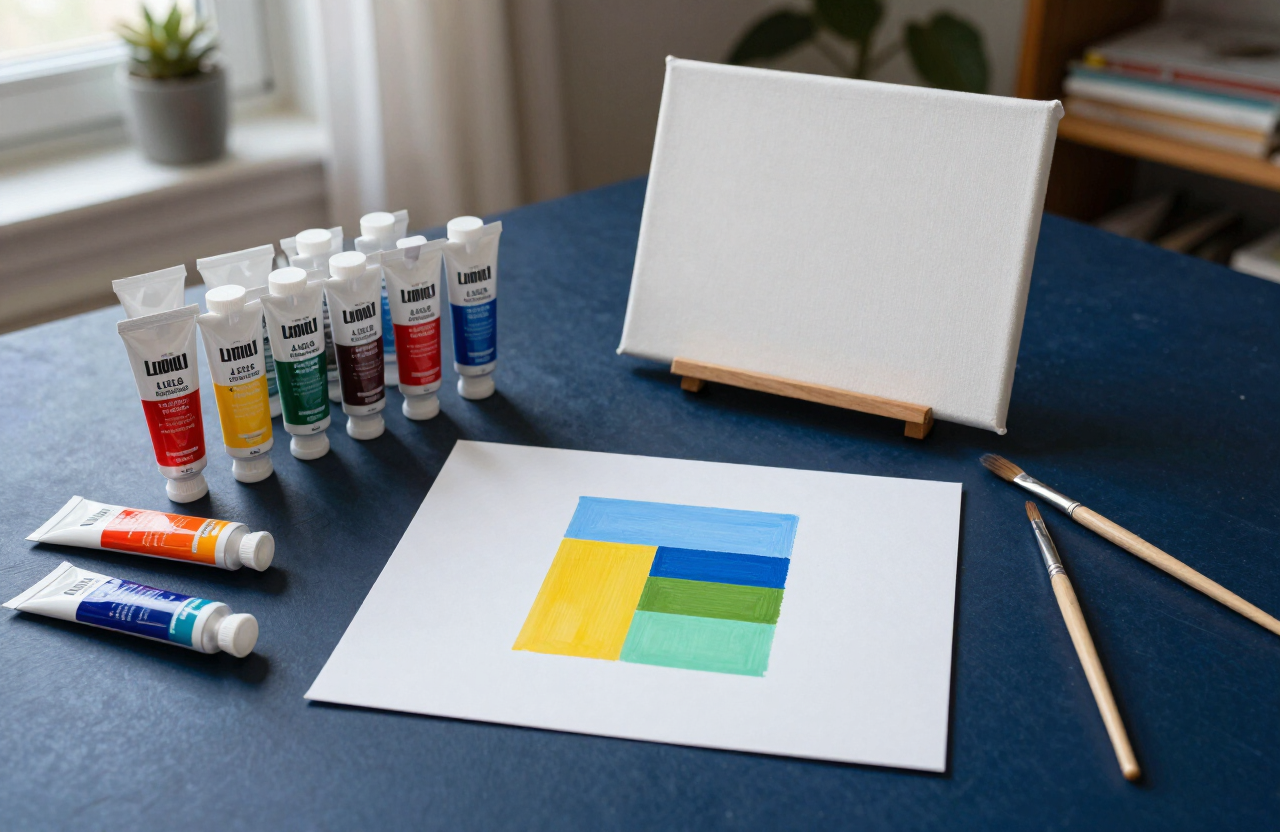
Acrylic Painting Supplies
The Complete Acrylic Painting Starter Guide
From unopened tubes to a finished first painting: the complete acrylic starter path, with the exact kit, the setup, and the five mistakes that stall every beginner.
Read the guide
Canvas & Paper
Best Watercolor Paper: Cotton, Weight, and Press Explained
Watercolor paper is the single biggest factor in whether your painting succeeds. This guide covers cotton vs cellulose, cold vs hot press, and the weights that handle washes without buckling.
Read the guide