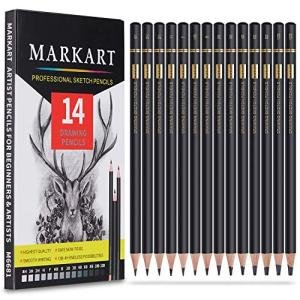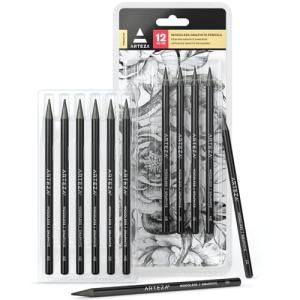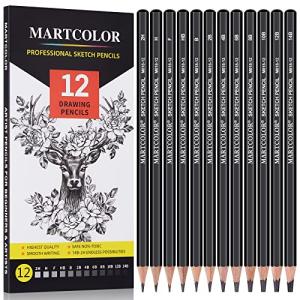
If you're diving into the world of sketching, having the right pencils can make all the difference. The best lead pencils for sketching offer a smooth experience, allowing you to express your creativity with ease. Let’s chat about some top picks that artists love.
First up is the Faber-Castell 9000 Graphite Pencil Set. This set has a range of hardness options, from soft to hard. That means you can create light sketches or dark, bold lines without any hassle. The quality is top notch, and they’re easy to grip, which is a huge plus during those long drawing sessions.
Another great choice is the Derwent Graphic Pencils. With their high-quality graphite, these pencils glide over paper. You'll appreciate how they blend beautifully while allowing for fine details. Plus, they come in a variety of grades, so you can pick just what you need for your style.
If you're looking for something special, try the Staedtler Mars Lumograph Pencils. Artists rave about them due to their rich pigmentation and durability. They’re strong enough to withstand pressure without breaking, making them perfect for those who like to sketch with a bit of force.
Don’t forget about the General's Cedar Pencils. These old-school favorites are made from real cedar wood, giving them a nice feel. They sharpen easily and provide a smooth line that’s hard to beat. Perfect for quick sketches or detailed artwork, they’re definitely among the best lead pencils for sketching.
Features to Look for in Pencils
When you're on the hunt for the best lead pencils for sketching, there are a few key features that can make a big difference in your artwork. First up, pencil hardness is super important. You'll find pencils with a range of hardness, usually marked from H (hard) to B (soft). H pencils are great for fine, detailed lines, while B pencils are perfect for creating rich, dark tones. A set that offers a variety will keep your options open.
Next, check out the grip. A comfy grip makes a world of difference when you’re sketching for a long time. Look for pencils with textured surfaces or ergonomic shapes. Your fingers will thank you and you can focus more on your art rather than adjusting how you hold the pencil.
Don’t forget about the lead quality. The best lead pencils for sketching should have smooth, break-resistant lead. You want a pencil that glides easily across the paper without constant sharpening. Pencils with quality graphite give you nice even strokes, helping you create those perfect outlines and shading.
Lastly, consider the pencil shape. Round pencils are common, but hexagonal ones don’t roll off your desk so easily. If you work in different settings, having a pencil that stays put is a bonus. Think about what works best for your style and workflow.
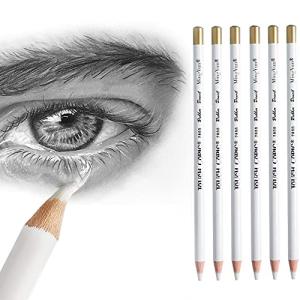
Artist Eraser Pencil Set for Sketching, 6PCS
Get precise, clean lines and effortless corrections with this versatile set of artist erasers
Product information
SGD 10.19
Product Review Score
4.85 out of 5 stars
23 reviewsProduct links
How to Choose the Right Hardness
Picking the right hardness for your pencils can really make or break your sketching experience. The hardness of the pencil is shown by a scale that ranges from H (hard) to B (soft), with F (fine point) sitting in the middle. If you’re diving into the world of sketching, these differences can affect everything from your line quality to shading. Let’s break it down!
Soft pencils, labeled with a B, are great for rich, dark lines. These are perfect if you love deep shading or want to capture intricate details in your sketches. The more B’s you see, the softer the pencil will be, which means it can lay down more graphite with less pressure. If you're sketching in a style that requires bold strokes, look for a range of 2B to 6B. You’ll get those luscious, dark lines you crave!
On the other side, H pencils are your go-to for fine lines and lighter shading. These harder pencils don’t smudge easily, and they’re awesome for detailed work like fine outlines or textures. A 2H is pretty common if you want a bit of a balance between hardness and darkness. If you prefer sketching straight lines or architectural designs, go for H or even 2H pencils to keep your work clean and precise.
Finally, don’t forget about the F pencil; it’s a nice middle ground that can suit various sketching needs. It’s reliable for when you’re unsure which way to go. For the best versatility, try having a set of both H and B pencils in your toolkit. Having both types will help you find your style and get the best lead pencils for sketching that perfectly fit your needs.
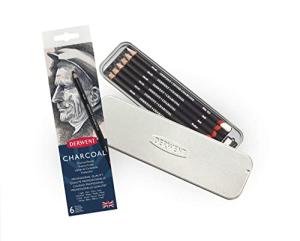
Derwent Charcoal Pencils in Metal Tin, 6 Pack
Perfect for sketches and shading, this set of charcoal pencils gives you smooth, rich blacks and blends beautifully
Product information
SGD 21.26
Product Review Score
4.99 out of 5 stars
205 reviewsProduct links
Tips for Using Lead Pencils Effectively
Lead pencils are a must-have in any artist's toolkit, especially when you're looking for the best lead pencils for sketching. They offer control and precision that can make all the difference in your work. Here are some tips to help you use them effectively.
First, always keep your pencils sharp. A finely sharpened tip allows for more detailed work and cleaner lines. If you notice your pencil is getting dull, take a moment to sharpen it before you continue. You’ll be amazed at how just a little sharpening can enhance your sketches!
Another great tip is to experiment with different grades of lead. The best lead pencils for sketching come in various hardness levels, from 2H for lighter lines to 8B for dark, bold strokes. Play around with these to find what suits your style. Mixing different grades in your sketches can add depth and texture, making your artwork pop.
Don’t forget your grip! How you hold the pencil totally affects your strokes. Try holding your pencil a bit further back for loose, flowing lines, or closer to the tip for precision work. Finding the right grip for your drawing style can take practice, but it’s worth the effort.
Lastly, keep a sketchbook handy. Regular practice with your lead pencils helps you improve over time. Use your sketchbook to try out different techniques, or just doodle whenever you have a spare moment. The more you practice with the best lead pencils for sketching, the better you’ll get!