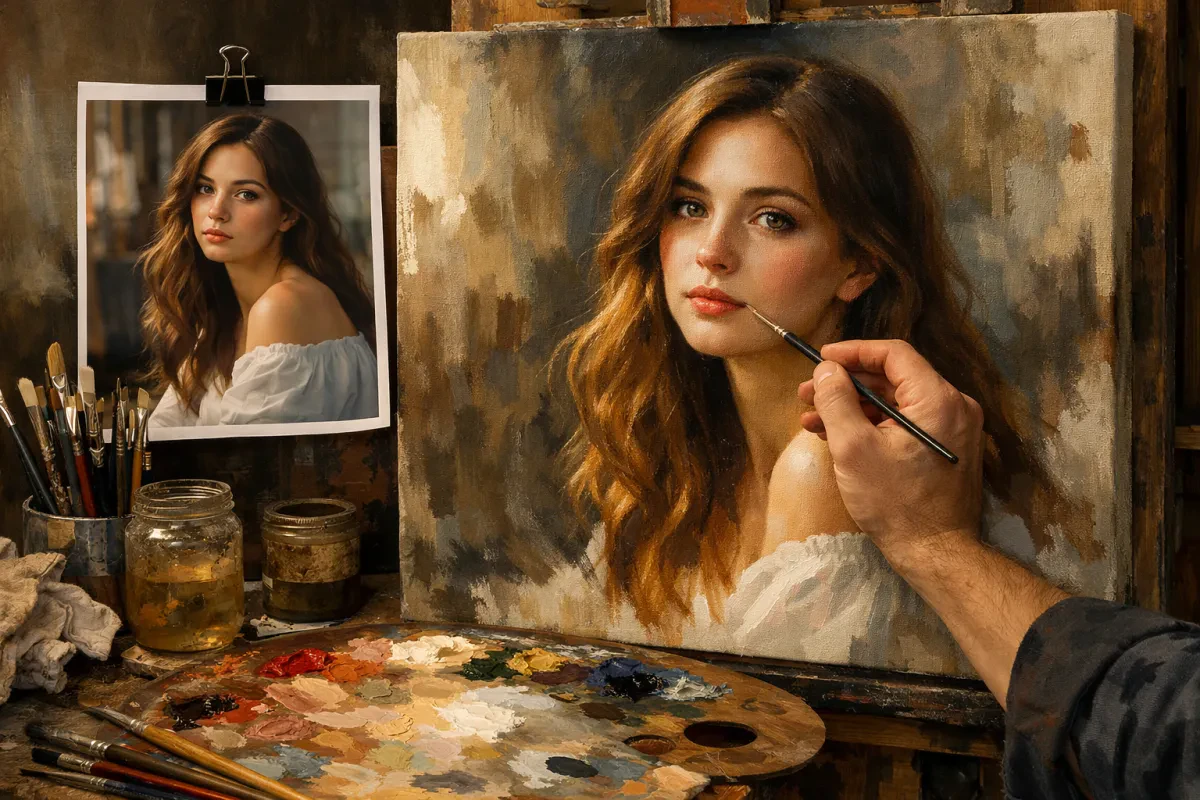
Ready to dive into portrait painting from a photograph? Awesome! Let’s break it down into simple steps so you can hit the ground running. First, choose a photo that really speaks to you. Look for one with good lighting and clear facial features. A well-lit image makes all the difference when you’re trying to capture those tiny details.
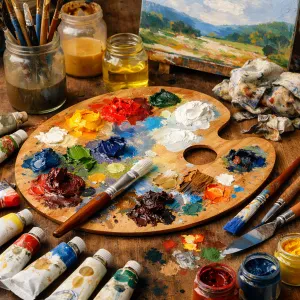
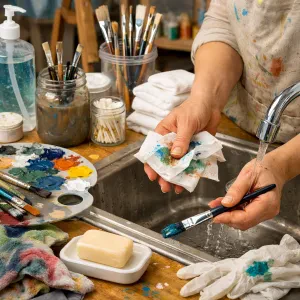
Next, gather your materials. You’ll need some good quality canvas or watercolor paper, paint (acrylics or oils work great), brushes in various sizes, a palette for mixing, and of course, a cup of water or solvent to clean those brushes. Don’t forget a pencil for sketching! It's all about having the right tools at your fingertips.
Start with a light sketch of the basic shapes. Don’t worry about getting it perfect right away. Focus on the overall proportions and positioning. Once you lay that down, you can gradually build up your colors. Remember to step back from your painting often to see how it’s coming together from a distance. It can help you catch any areas that need tweaking.
As you paint, keep that reference photo close. Use it to match colors and shadows. One neat trick is to squint at the photo to simplify what you see. This can help you identify the essential light and dark areas, making it easier to replicate those tones on your canvas. Just like that, you're on your way to mastering portrait painting from a photograph!
Choosing the Right Photo for Portraits
Picking the right photo is half the battle when you dive into portrait painting from a photograph. A good reference really makes your painting shine. So, what should you look for? Here are some tips to help you choose the perfect shot.
First, consider the lighting. Natural light is your best friend. Look for photos taken outside or near a big window. Soft light casts subtle shadows and brings out the subject's features. Avoid super bright or harsh lighting, as it can create weird shadows or wash out details.
Next, think about the composition. You want the subject to be the star of the show. Look for images where the subject is focused and fills the frame—but not too much. A bit of background can add context and help with depth in your painting. Think about how the placement of the person affects the overall feel.
Don’t forget about emotional expression! A great portrait captures a moment or feeling. Whether it's a joyful smile or a thoughtful gaze, those emotions add life to your painting. Choose a photo where the subject looks natural and relaxed; those little quirks make a portrait special.
Finally, check the details. Clear, high-resolution images are ideal. You want to see the sharpness in the eyes and texture in the skin. Blurry or pixelated photos can be frustrating when you’re trying to replicate those fine details in your portrait painting from a photograph. With these tips, you’ll be well on your way to finding that perfect reference shot!
GOLDEN GAC 900 Heat-Set Fabric Painting Medium
Transform your fabric art with this versatile medium that enhances colors and keeps your designs vibrant
Product information
$20.39 $15.80
Product Review Score
4.09 out of 5 stars
28 reviewsProduct links
Essential Tools for Portrait Painting
If you're diving into portrait painting from a photograph, having the right tools can make all the difference. Getting your supplies together before you start painting not only makes the process smoother but also helps you feel more confident in creating your masterpiece.
First up, you'll need quality brushes. Look for a mix of round and flat brushes in various sizes. Round brushes help with detail work, especially around the eyes and mouth, while flat brushes are great for broader strokes. Choose brushes made from both synthetic and natural fibers for versatility. Synthetic brushes are often stiffer, which can be fantastic for painting on rougher surfaces.
A good set of paints is essential too. You can’t go wrong with a basic palette of oil paints or acrylics. Start with primary colors and a few earth tones. The colors you choose will help you match skin tones more accurately in your portrait painting from a photograph. Don't forget a mixing palette for creating those custom shades.
Don't overlook your canvas or paper! Depending on your medium, a sturdy canvas for oils or a textured paper for acrylics can be key to achieving the right look. Look for something with a good weight that can handle the paint without warping. Also, consider the size; a larger canvas gives you more space to work your magic.
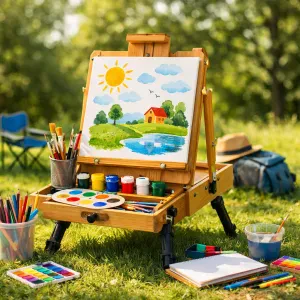
Finally, a reliable easel helps a lot. It keeps your work stable and at a comfortable height so you can paint for hours without straining your back. Think about getting one that you can adjust for different positions too. With these essential tools on hand, you’re on your way to creating stunning portraits from photographs!
Gamblin Cold Wax Oil Painting Medium, 4oz
Transform your oil paintings with this versatile medium that adds depth and texture
Product information
$14.77
Product Review Score
4.46 out of 5 stars
132 reviewsProduct links
Tips for Capturing Lifelike Details
Getting lifelike details in portrait painting from a photograph can feel like a big challenge. But with the right approach, you can make your portraits pop! Here are some tips to help you capture those natural features and expressions.
First, really take your time with your reference photo. Choose one that has good lighting and shows clear expressions. A photo with lots of contrast helps you understand the light and shadows, making your artwork more dynamic. Try to analyze your reference closely. What are the unique features of the person? Look for how light hits the face, how colors shift in different areas, and the small details that make a person unique.
Next, don’t skip the underdrawing. Starting with a basic sketch can guide your entire painting. Focus on proportions first; they are key in portrait painting from a photograph. Use a light pencil or charcoal to map out the main features. Once you’re happy with the arrangement, start building your colors on top. This way, you can make adjustments without feeling like you've messed up your work too soon.
When it comes to layering paint, start with the broad areas before moving to the details. Use a larger brush to block in colors for skin tones and basic shapes. Gradually work your way down to smaller brushes for finer details like eyes, lips, and hair strands. Remember to blend those edges well to keep things looking natural.
Lastly, don’t be afraid to step back often. A few steps away from the canvas can give you a fresh perspective. You might spot areas that need a bit more attention or adjustments. Trust your instinct and adjust colors or shapes as needed until your portrait feels right. Happy painting!